I build things that run without me.

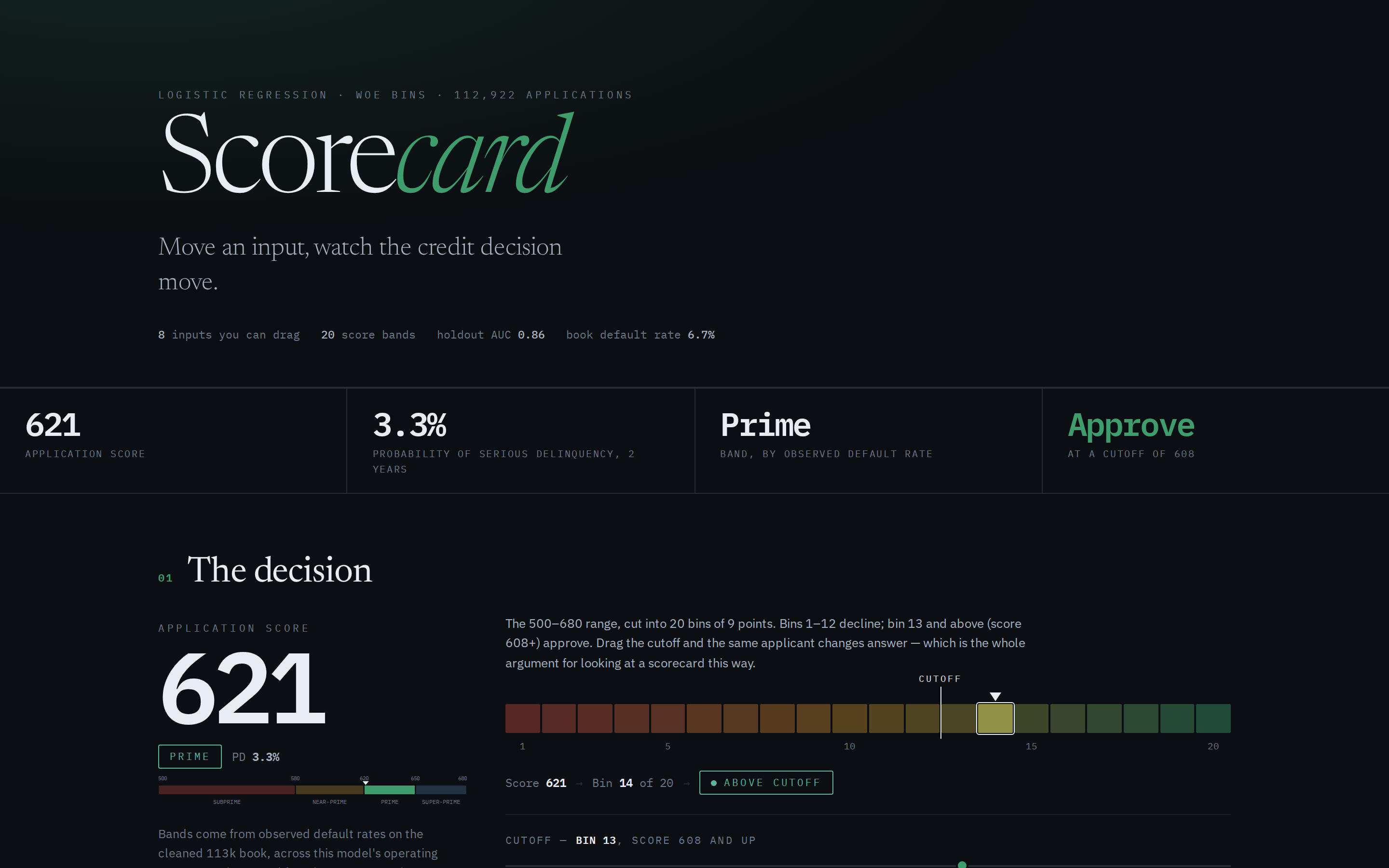
I work on credit risk and portfolio analytics at Axis Bank, where most of my job is turning work that was done by hand into work that runs on a schedule. Outside it I build small, complete systems and put them online — a price index, a recommender, a reader, a few risk tools — and keep them running.

17
things live on the internet right now
5.0M
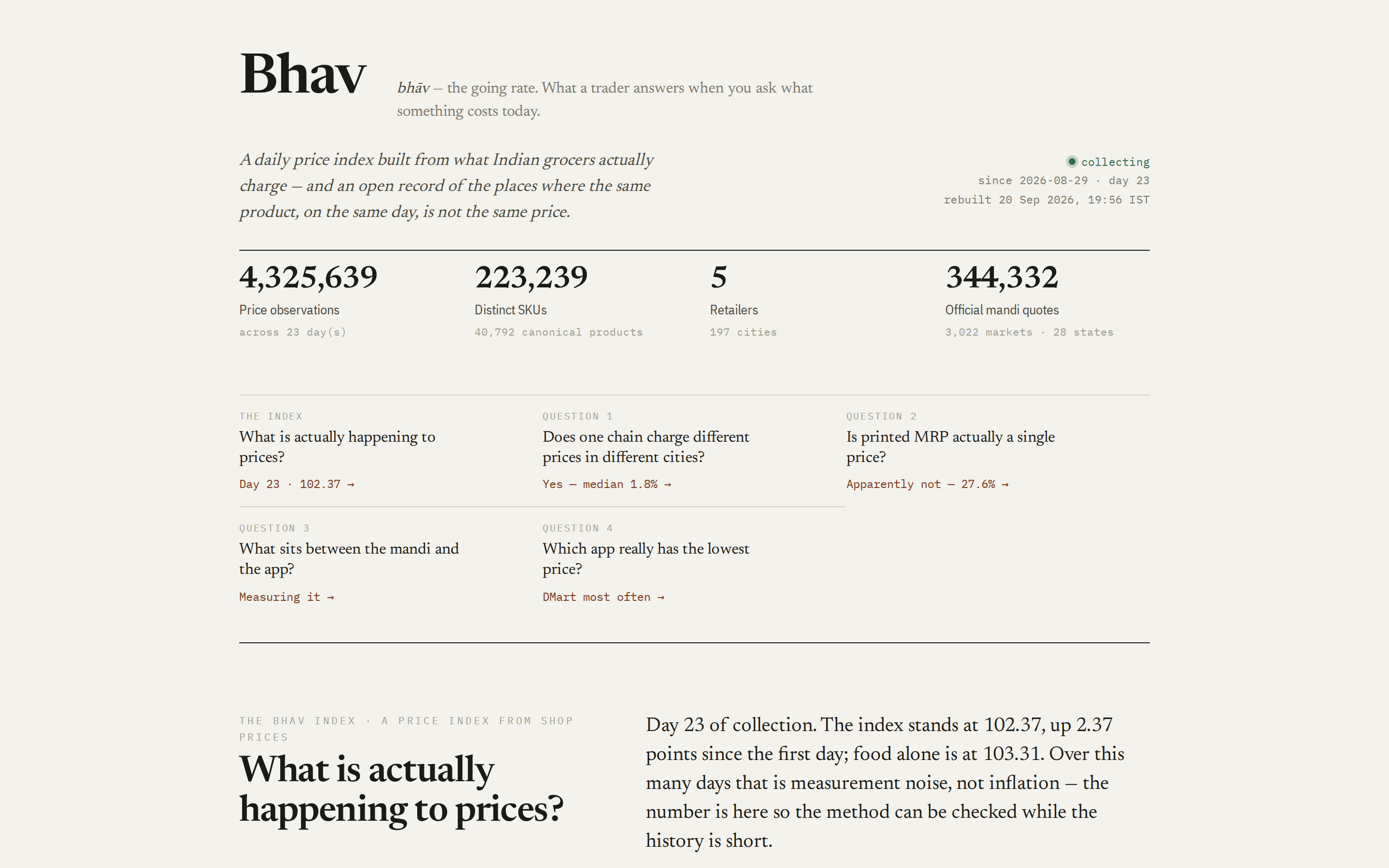
grocery prices collected and counted
51
projects since 2021, all of them catalogued
Latest · September 2026

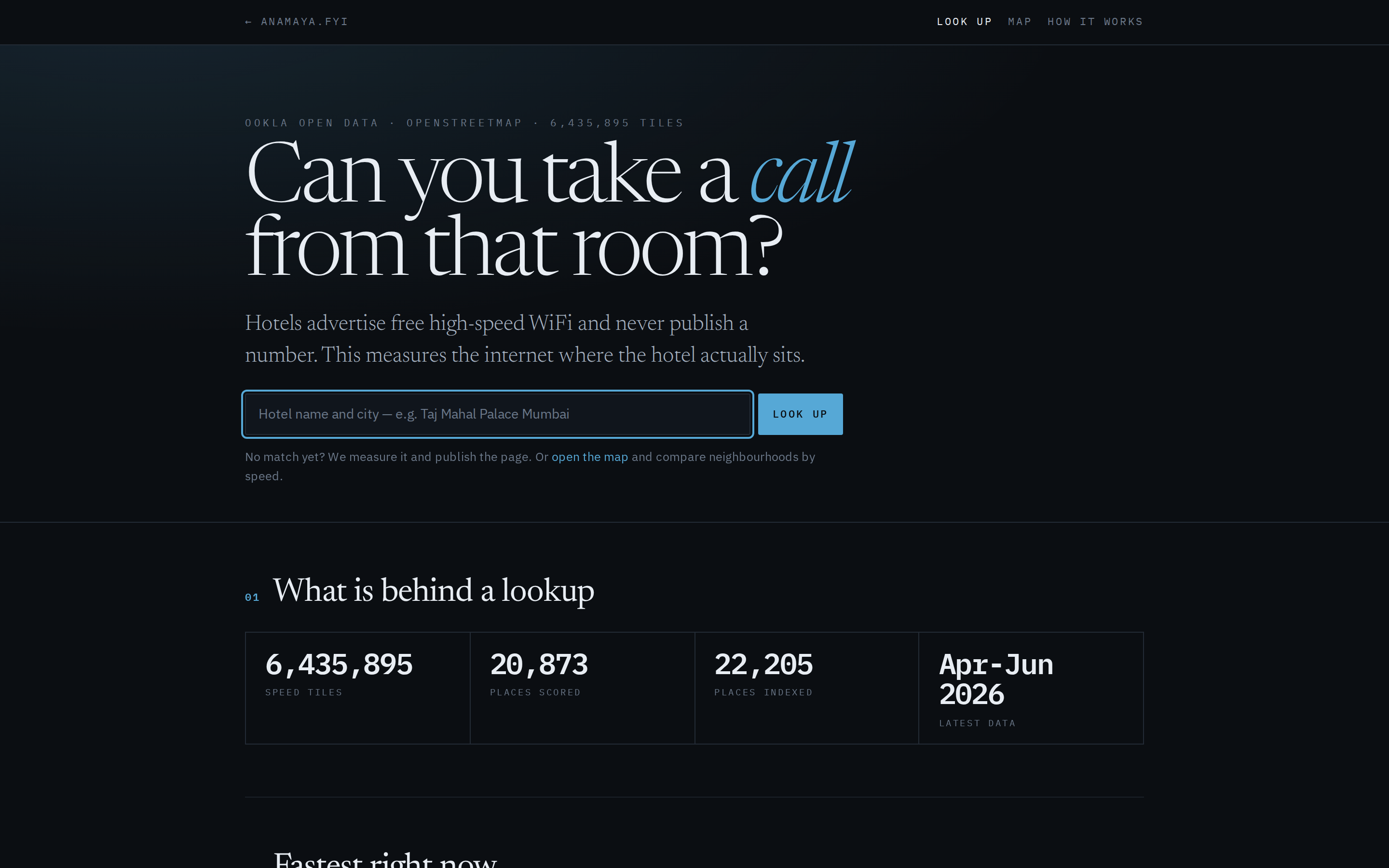
Can you take a call from that room?

Hotels advertise free high-speed WiFi and publish no number. Pingpillow joins OpenStreetMap's lodging to Ookla's open speed-test tiles and answers the question you actually have: what the connection at this address measures, whether the upload holds a video call, and — where nobody has ever run a test — how far the nearest real measurement is and in which direction.

Every booking site quotes download speed, which is the number that cannot fail you. A 300-down, 4-up line markets beautifully and drops your client call, because your camera is the upload. Every verdict here is set by the worst of download, upload and latency across 6,435,895 measured tiles — and in the hills, where the answer actually decides a booking, the fixed line and the mobile network are reported separately: Shoja has fibre at 104 Mbps up and 0.4 Mbps of mobile upload.
6.4M
measured speed tiles behind every lookup
2,005,444
places scored, from city hotels to shepherd camps
8
quarters of history, so a location getting worse is visible
Selected work

Built end to end, and still running.

Each of these collects its own data, decides something, and keeps doing it on a schedule without me. The interesting part is usually the failure that taught it to.

Bhav on screen
Price index

Bhav

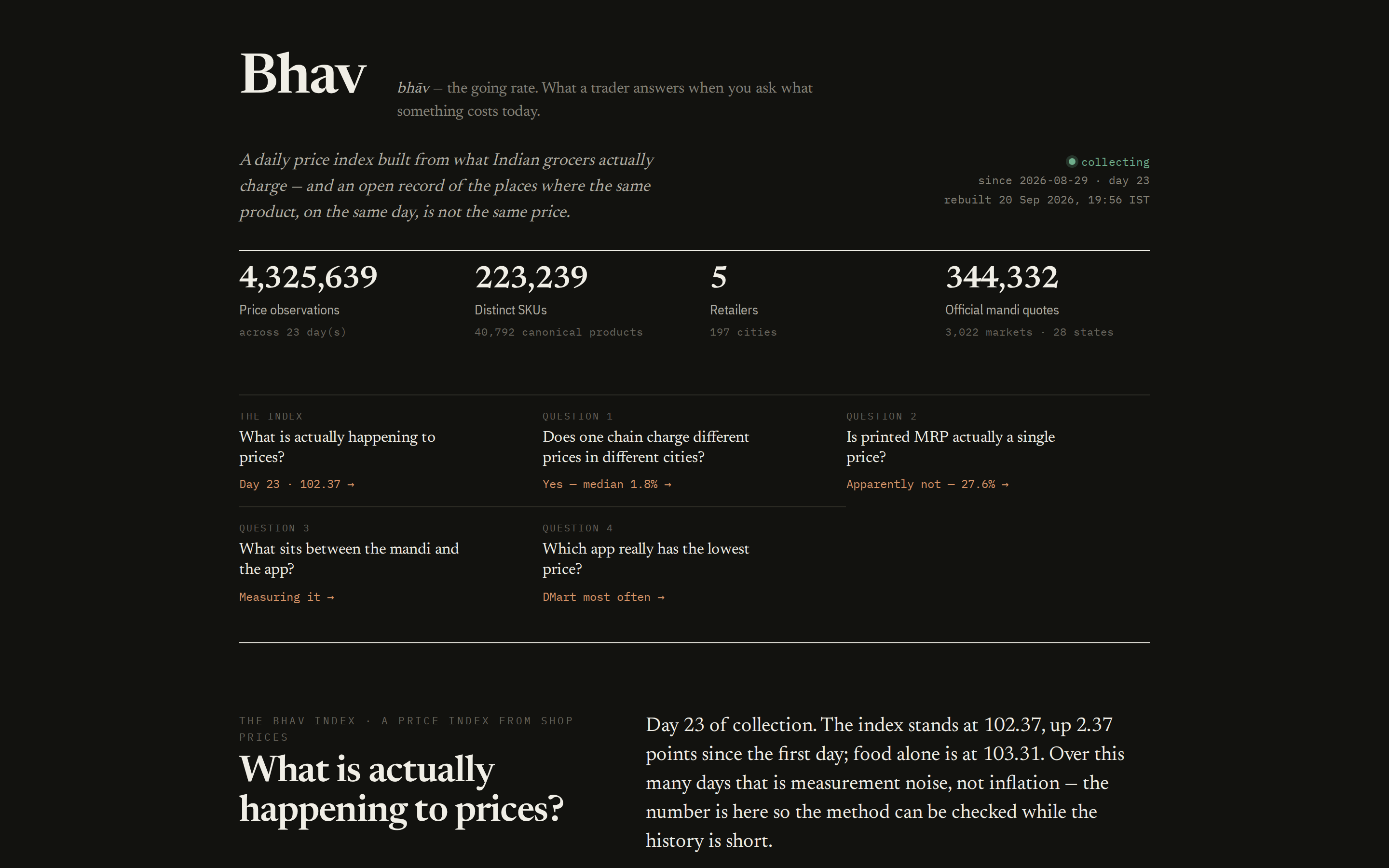
An inflation index built from what shops actually charge.

LiveRead
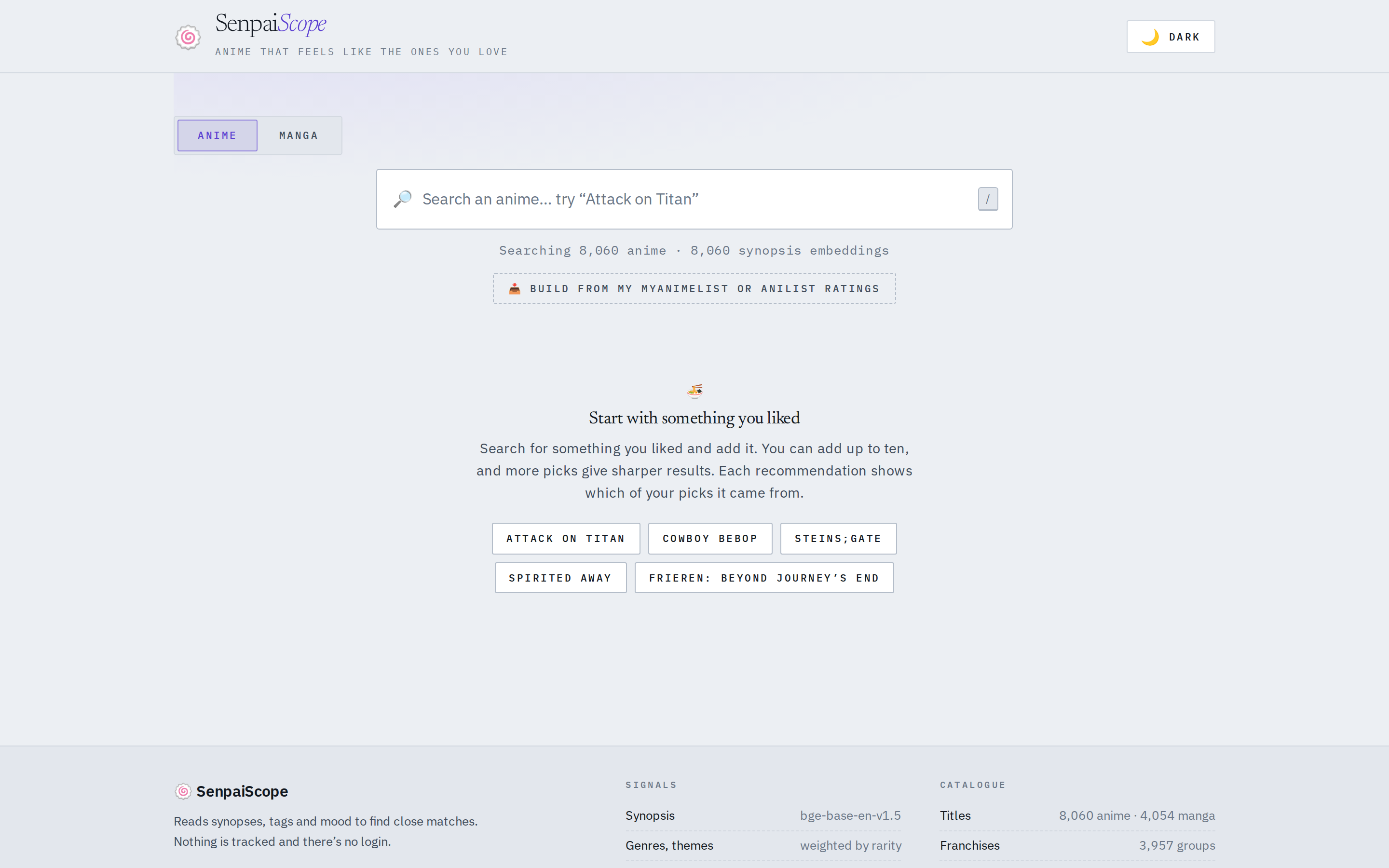
SenpaiScope on screen
Recommender

SenpaiScope

Anime recommendations that tell you why.

LiveRead
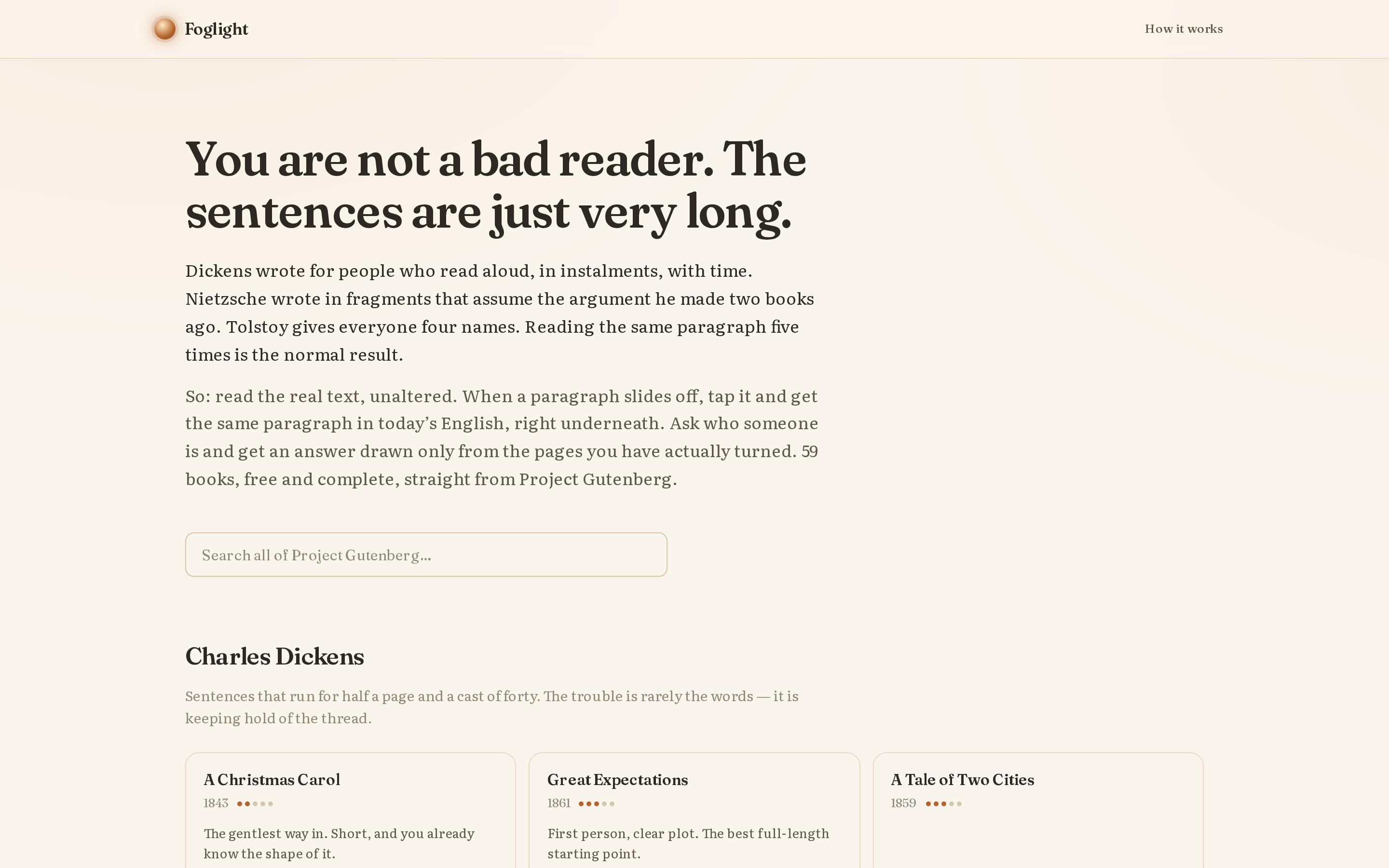
Foglight on screen
Reader

Foglight

A reader for the books that are hard on purpose.

LiveRead
Emotion Recognition on screen
Machine learning

Emotion Recognition

A facial-expression CNN that runs in your browser.

LiveRead
H
Autonomous systems

Hermes

A personal AI system that acts on its own schedule.

PrivateRead
Day job

Risk analytics at Axis Bank.

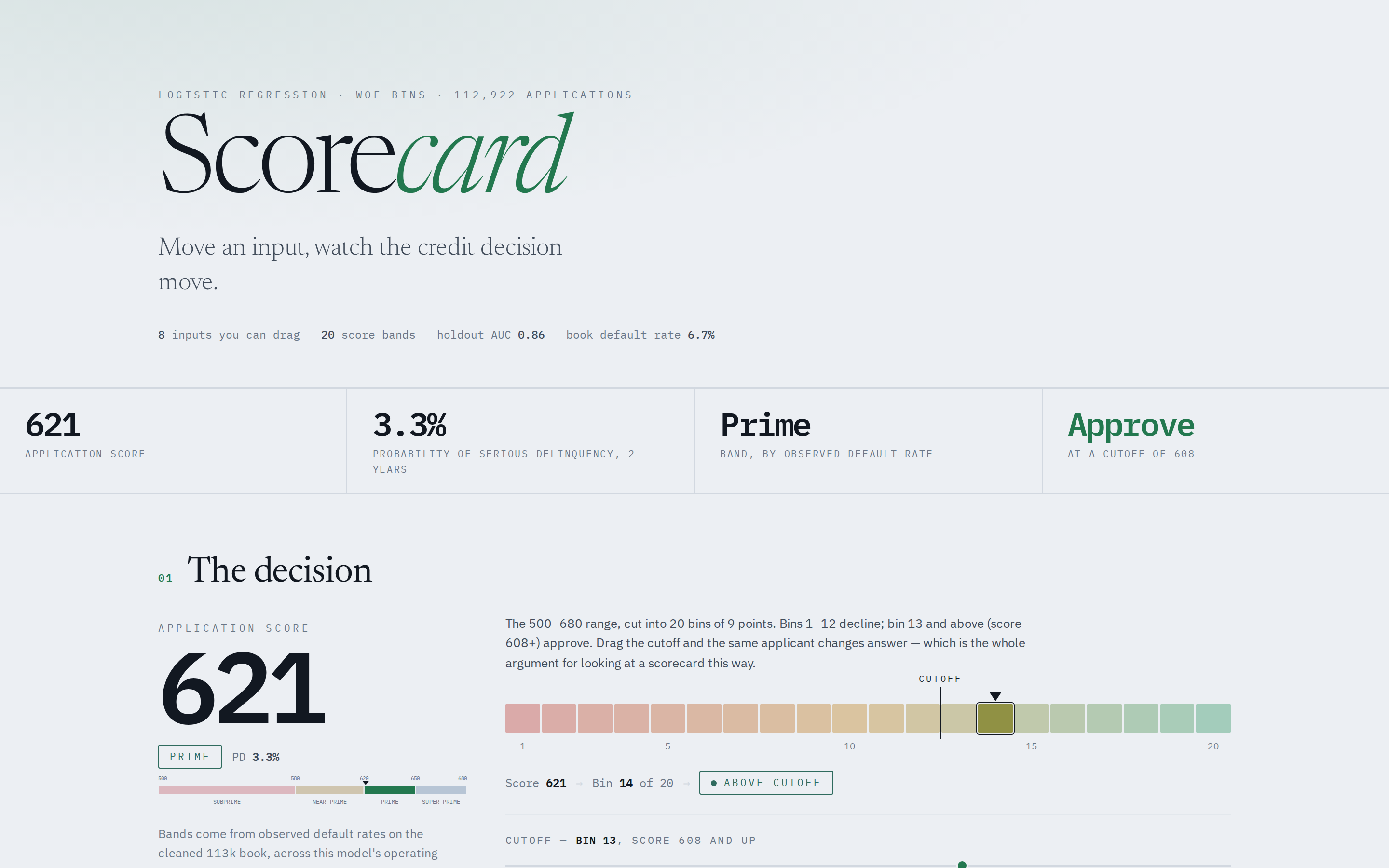
I sit in the Risk Analytics team, working on credit risk and portfolio analytics. The through-line of the last two years has been automation: moving the team off hand-run SAS MIS onto Power BI that refreshes itself, migrating 100+ SAS tasks to PySpark on the Big Data Lake, and building the monitoring layer that sits on top of the result.

Risk & domain
Credit risk · Portfolio analytics · Enterprise risk management · Emerging & change risk · CECL · Corporate forecasting
Data
Python · PySpark · SQL — Hive, Spark, Oracle, Impala · Credit risk modelling · PostgreSQL
Platforms & BI
Power BI — DAX, Power Query, semantic models · Tableau · Informatica Cloud · Azure Data Lake · Dataverse
Automation & GenAI
Power Automate · Copilot Studio · LLM applications · Bitbucket · Jenkins
Building things
React · TypeScript · PyTorch · ONNX · Docker · Caddy · systemd
Research

Measuring the measurement.

Built on SenpaiScope. The paper separates three things that offline recommender evaluation usually conflates — the answer key, the metric, and the scorer — and shows each one independently changing which system wins.

The code, the data and every table are public, and section 8.4 re-runs the whole comparison against a different answer key and withdraws one of the paper's own earlier conclusions — which is the part I would defend.

Looking for the next problem.

Risk, data platforms, or anything where the measurement is the hard part. I read every email.